Smart Buildings / BMS
Bring building systems into one operational layer.
Connect lighting, energy, environmental and building-control systems through a configurable platform.
Challenge
A portfolio of buildings is a portfolio of systems.
Each building works. The difficulty starts when you own forty of them and want one answer.
Every building has its own stack
Lighting, HVAC, metering and access were installed at different times by different contractors, each with a separate interface.
Comparison is manual
Asking which building consumes the most, or which one runs longest out of hours, means gathering exports from several systems.
Changes do not travel
A policy agreed centrally — a schedule, a threshold, a setpoint — has to be re-applied building by building.
Architecture
One model across the whole portfolio.
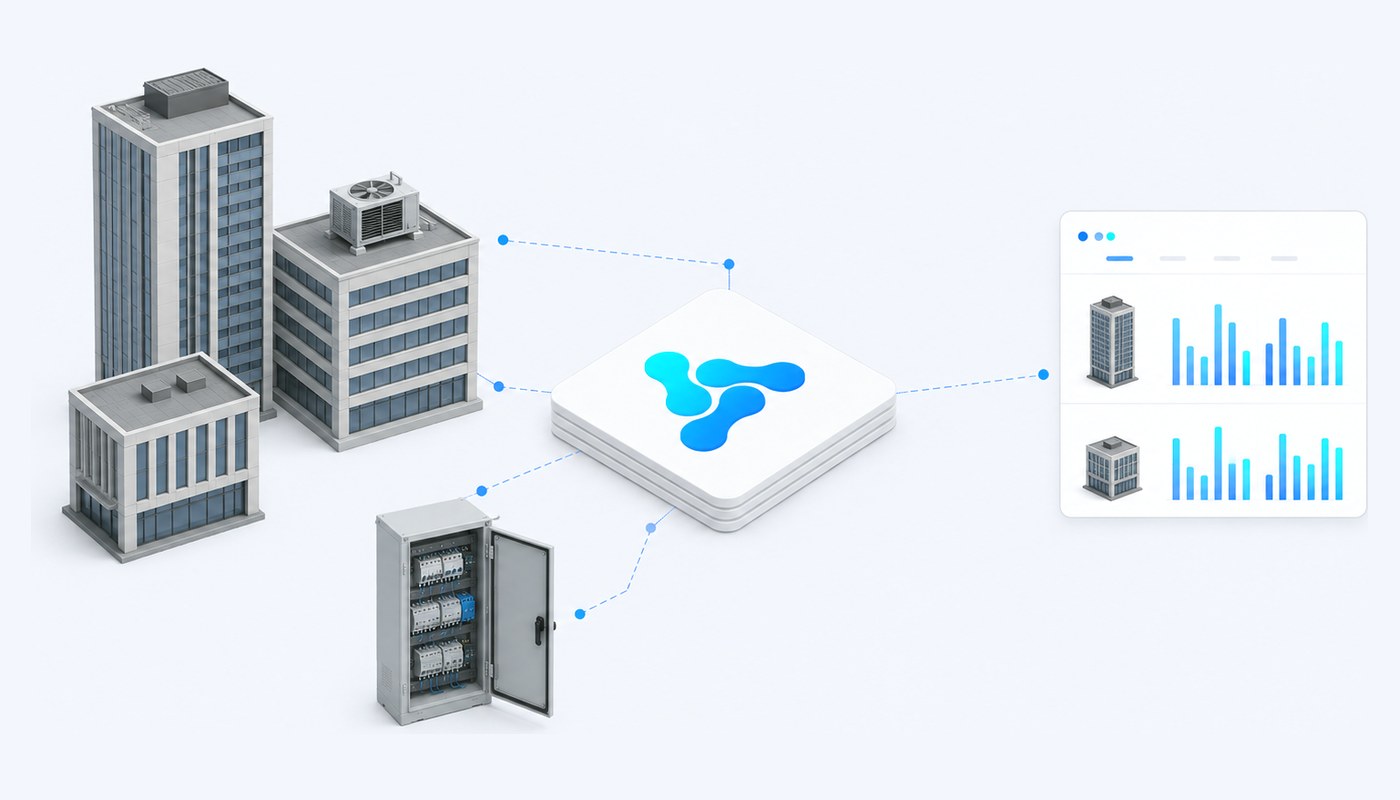
Each building becomes an IoT system with its own inventory and dashboard, described the same way as every other. The exact architecture is configured around the systems, protocols and processes already in place.
›
›
›
›
What each stage becomes in the platform
Operational scenario
A policy that has to reach forty buildings.
The test of a portfolio system is not the first building. It is the fortieth.
Illustrative example
1
The policy is decided centrally
A change to out-of-hours behaviour is agreed once, for a class of equipment rather than for a location.
2
It is expressed as a rule
Conditions on time, occupancy or a measured value, combined with AND/OR, with a priority relative to other rules.
3
It applies to the right scope
The rule acts on devices, groups or systems — so a floor, a building or the whole class, without retyping it.
4
Commands carry it out
Where equipment accepts commands, the command template supplies the parameters and names the metrics that confirm them.
5
Results are comparable
Because the metrics share units and timestamps, the effect can be read across buildings rather than described anecdotally.
6
The change is on the record
The audit trail keeps who changed the rule and what the value was before.
This example is illustrative. Which policies exist, and which equipment can act on them, are decided by the deployment and the systems already installed.
Operational scenario
Outcome
Integrated operations across building subsystems.
Inside the platform.
What it is built on
The platform capabilities behind this solution.
Use the documented device, data, automation, visualisation and integration capabilities to build a portfolio layer around the building systems you already run.
Digital Twins & Device Lifecycle
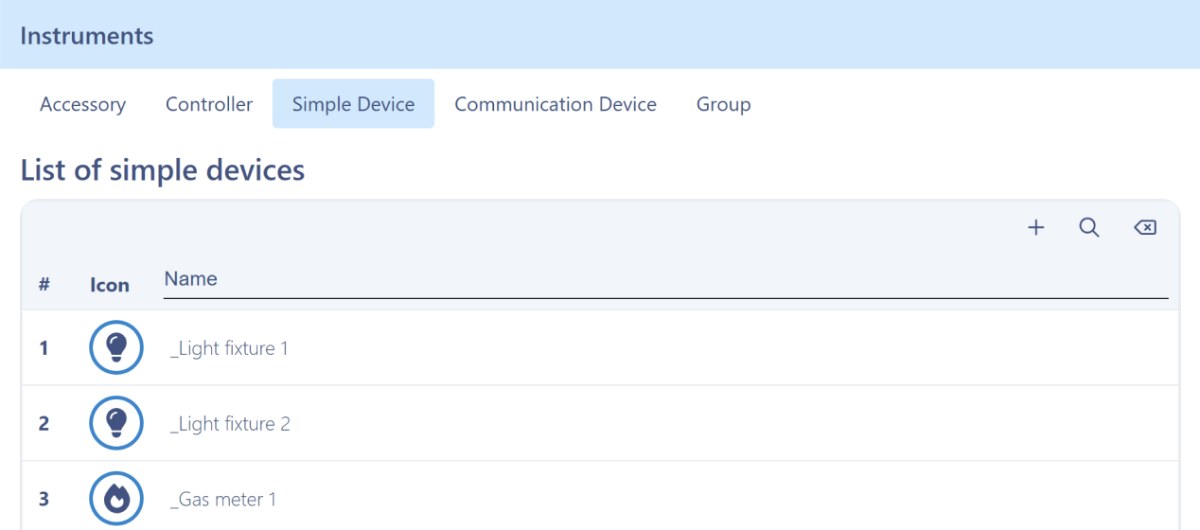
Building equipment as models, versions and instances, with each building an IoT system of its own.
Data, Metrics & Commands
Metric templates that normalise readings, and command templates with response validation.
Rules & Automation
Schedules, thresholds and conditions combined with AND/OR, applied to devices, groups or whole systems.
Dashboards & Visualization
Portfolio and per-building screens, defined per version and per installation.
Enterprise Administration
Organisational units, units of measure, data types, states and the holiday calendar.
Security & Audit
Roles and permissions per organisational unit, with a change history on practically every entity.
Fit with what you already have
See how Vision can fit your deployment.
Share your current devices, connectivity and operational objectives.