Data, Metrics & Commands

Turn raw device data into usable operational information.

Standardize heterogeneous device data into consistent operational metrics, then close the loop with validated, traceable commands.

Book a DemoTalk to an Expert

Vision Smart Platform data pipeline: sensor payloads standardized into typed metrics, dashboards and validated device commands
StandardizedConsistent data types, units and structure
TraceableEvery metric stored with its own timestamp
ComparableThe same metric across dashboards, rules and reports

Standardize data. Control devices with confidence.

Parameters describe the asset, metrics report its state, and commands define what the platform can ask it to do — defined once at model level and inherited down to every device.

Device parameters
Custom fields with data types, default values, units of measurement and descriptions. Inherited from model to version to device.
Metric templates
Extract values from JSON or XML payloads through a defined path, with a data type and a unit of measurement attached to every metric.
Preprocessing functions
Apply an optional transformation to the incoming value before it is stored, so the metric arrives in the form operations needs.
Reported metrics
Persistent values with their timestamps, filterable by name, date interval and value, with sorting and export.
Command templates
Define the command body, the parameters required at execution and the response metrics used to validate it.
Reported commands
The history of commands sent to a device, with status and value, kept on the device sheet next to its metrics.

One model for every kind of equipment.

Describe different device types without forcing them into one rigid schema — from stable specifications to live operational data and executable actions.

Parameters
What the device is
  • Custom fields, default values and data types
  • Units of measurement and descriptions
  • Reusable as placeholders in templates, rules and commands
Metrics
What the device reports
  • Values extracted from JSON or XML payloads
  • Persisted with value and timestamp
  • Comparable across dashboards, rules and reports
Commands
What the device can do
  • A defined command body and execution parameters
  • Response metrics used to validate execution
  • Command state tracked over time

From vendor payload to operational metric.

Turn vendor-specific payloads into consistent operational data that dashboards, rules and applications can understand.

1
Message received
A raw JSON or XML payload arrives from the device.
2
Path extraction
The metric template reads the value at the path defined for it.
3
Preprocessing
An optional function transforms the raw value before it is stored.
4
Typing
The data type and the unit of measurement are applied to the value.
5
Persistence
The metric is stored with its value and its timestamp.

Commands that close the loop.

A command is not finished when the payload leaves the platform. Each one is queued, tracked as its state changes over time, and validated against the metrics the device reports back — so the digital twin keeps matching the physical device.

1
Send
The command template builds the body and collects the parameters required at execution.
2
Deliver
The command enters the queue towards the device, through the integration chain inherited from its model and version.
3
Report
The device answers. Its response arrives as reported metrics, alongside every other value it sends.
4
Validate
The response metric templates confirm that the command produced the change it was meant to produce.
5
Audit
The command stays in the reported-commands history, with its status and its value.

Standardized metrics reach the people who act on them.

Once a value has been extracted, typed and stored, the same metric can be shown on a dashboard, evaluated by a rule or exported from a device list — with no per-device translation in between.
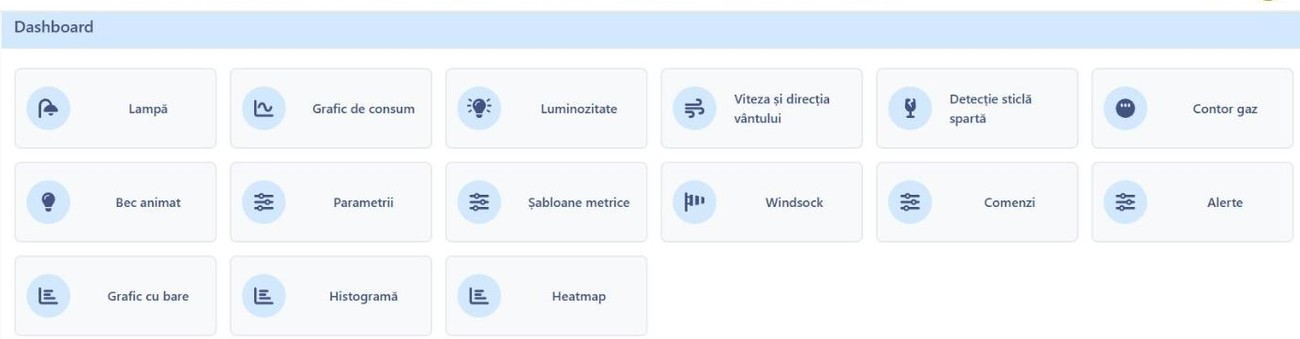
Widget palette in the Vision Smart Platform dashboard editor
The dashboard editor’s widget palette. Widgets bind directly to the metrics and parameters defined by the templates above, and can act on a single device or on a whole group.

Turn device data into reliable operational control.

Bring us a device type, a payload sample and the actions you need. We will show you the parameters, metric templates and command validation behind them.

Discuss your project